
Surgery has been a rotation that has been on my mind since first starting PA school! I have always been fascinated by surgery since I was a child. In elementary school I used to come home after school and binge watch TLC surgery shows completely amazed by the capabilities and resiliency of the human body. To this day I still am!
However, without any actual surgical experience it’s hard to know for sure it’s where you want to be. I chose to have surgery early on in my clinical year to see if this is an area of medicine I could see myself working in and that way I would be able tailor some of my later rotations based on this. There’s so much to surgery that isn’t portrayed by the dramatization of TV or what you see on social media. Surgery and the OR is absolutely unlike any environment that I have ever worked in or experienced in my life!
About this Rotation:
I worked with a General Surgery group with two surgeons and two surgery PAs. We typically worked at one specific hospital, but also had some privileges at hospitals in the surrounding areas. The daily routine entirely varied based on what types of surgeries were set up for the day. I would say there wasn’t really any specific routine that I ever got used to, which made it a little bit difficult as a student.
Most of the surgeries we performed were GI related cases, which makes sense since 50% of the end of rotation exam is GI based. The most common surgery we performed was definitely the laparoscopic cholecystectomy as well as hernia repairs and bariatric surgeries since that was my main surgeon’s sub-specialty. We also did colon resections, appendectomies, breast cases, excisions, biopsies, etc. We even had a sigmoid volvulus which was seriously one of the coolest things I have EVER seen!
I also was able to get a good amount of exposure in different surgical specialties during this rotation. I observed some urologic robotic surgeries, a D&C, and participated in a bunch of orthopedic surgeries. I observed spine surgeries, scrubbed in and assisted on a good amount of total hip and knee replacements, foot and ankle surgeries, as well as rotator cuff arthroscopies and repairs. This was probably one of my favorite parts of this rotation!
In regards to my involvement on this rotation, I would say that it varied depending on what surgeon I worked with and the setting. I pretty much saw patients entirely on my own during pre-op and in clinic for the most part. For laparoscopic procedures, my involvement was a little less than in other surgeries. I retracted occasionally, drove the camera once, but I helped with closing every case and always was in the OR before and after to help position/move patients. Whenever I was involved in any of the ortho cases it was pretty hands-on. I typically retracted, often double retracted throughout the entire case (you need muscles NO JOKE to work in ortho) and I got to wear the infamous ortho “space suits!” It really depends on the surgeon and team at the time, and the amount of help that is needed!
A day in the life of General Surgery:
5am-6am: Wake up… and lie there for a good ten minutes. Not motivated to get up in the morning when it’s 7 degrees. Get ready and make breakfast. Leave by 6:15am.
6:30am: Arrive at hospital and change into scrubs. Either begin pre-ops or see if there are any inpatients that need to be rounded on. During this time I usually wrote the H&Ps for preop patients or wrote progress notes until the first case.
7:30 or 8:30am: First case was usually scheduled at 7-7:30am, but sometimes such as the day depicted in this picture our first case was at 8:30am.
Rest of the day: Usually cases were scheduled the rest of the day. About two days a week we had clinic scheduled for pre-op and post-op follow ups. So some days we had surgery scheduled in the morning and then clinic in the afternoon.
End of day: The end of the day varied and usually ended somewhere between 3:30-5pm depending on what was scheduled. I also came in late around 10pm for a specific case when my surgeon was on call.
Resources:
- Objectives: PAEA General Surgery Topic List, PAEA General Surgery Exam Blueprint
- Books:
- Current Surgery – (Highly recommend) By far this has been one of my favorite books so far in PA school! It gives a good amount of background information (including both anatomy and physiology), conditions, indications for surgeries, and surgical techniques. Also, easy to read and I think an excellent introduction for surgery.
- Surgical Recall – (Highly recommend) This book is a great book to prepare yourself if you have a preceptor that pimps you! I liked to use this book after I had already read about a certain procedure or surgery in Current just to test my knowledge. Just FYI though the whole book is pretty much formatted as questions and answers which some people may dislike.
- Netter’s Anatomy – If you’re in PA school then you probably already have this book. Definitely review your anatomy before your surgeries!
- Blueprints Surgery – This was a resource that my preceptor let me borrow for a few weeks. It’s a very quick/brief guide on surgeries written in an easy way to understand. I wouldn’t say that this is a necessity for the surgery rotation, but I found it was helpful to carry around in between cases or pressed for time. It doesn’t cover every type of surgery but the main/most common surgeries that you will encounter.
- Websites and Apps: UptoDate, Medscape
- Videos: OnlineMedEd
- Podcasts: Surgery 101 – great resource for your commute!
- Practice Questions: The Point
Additional Recommendations/Tips:
Here are some tips that I wish I would have either known or spent more time with before starting my surgery rotation!
Clinical Skills: The clinical skills that I utilized the most during this rotation included urinary catheterization and subcuticular suturing. I would recommend watching a video online/tutorial on how to do both. However, in regards to suturing – watch with a grain of salt! Every surgery group will have their own specific way they like things done. They will usually teach you how exactly they want their sutures to be so if you don’t come close to mastering it before your rotation it isn’t a big deal. If you practice beforehand you’ll get a little bit of the muscle memory down before you start which might help you when they teach you their way. Most importantly, I would strongly suggest watching a scrubbing tutorial prior to your first day. This might be a skill they already expect you to know before you arrive. Here are some helpful videos:
Some other students I have spoken with had the opportunity to do IVs and intubate at their sites so you may want to refresh on those skills as well.
OR Etiquette: One of the hardest things about surgery (at least for me) is there are A LOT of rules! Surgery is a very ordered and structured place where routine and consistency are of the utmost importance. Some key OR etiquette essentials:
- Entering the room: Always wear a mask when you enter the OR, write your name and what type of student you are on the board, assist the nurses and anesthesia whenever you can prior to surgery
- Sterility: Keep your hands within the sterile field AKA “nipples to navel” or on the patient, do not touch anything unless you are asked to do so, if you are asked to scrub back in don’t take offense
- Conversation and questions: There are specific times that it is okay to ask questions and there are a lot of times its best to hold off. I have found that most of the surgeons I worked with needed peace and quiet in order to focus during the surgery. This is hard when you have burning questions as a student, but often it’s bad timing! I was told by one surgeon that I asked too many questions which really made me second guess myself and hold back a lot. I would say the best time to ask questions are during the most routine parts of the procedure usually at the beginning and at closing.
- Closing: Hold your pickups like a pencil! I swear all surgery preceptors have a third eye and will be able to tell (even when you won’t notice) that you’re holding your pickups like tweezers and not a pencil HAHA!
Feedback:
Hopefully all of this information is able to help you in some way! Please feel free to comment below or contact me if you have any additional questions or content you would like to see. Best of luck to you in your surgery rotation!



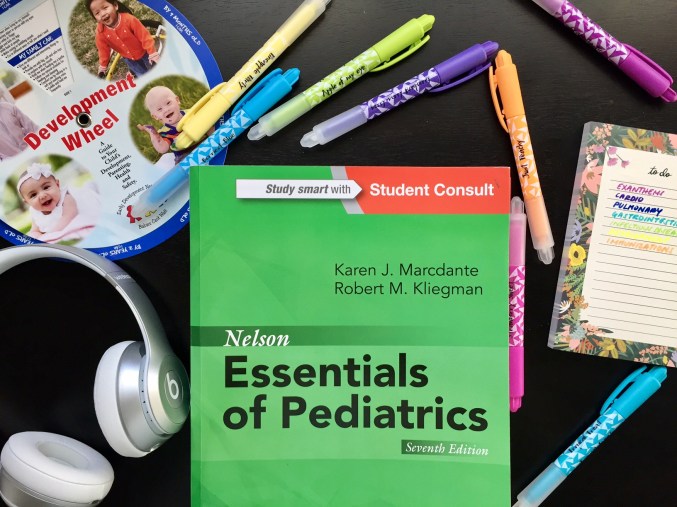 Pediatrics was definitely a rotation that surprised me! I was pretty hesitant going into it because I have never really worked around children and wasn’t sure how I would react to some overprotective parents, but I was pleasantly surprised by how fun this rotation ended up being! Many thanks to all the silly and equally entertaining little patients that entered through the doors each day!





 - Dose of Dinner -